Peak Climbing in Nepal: The Ultimate Guide for Adventure Enthusiasts
Planning a Trip to Nepal?

Nestled in the heart of the Himalayas, Nepal is a dream destination for mountaineers and adventure seekers from around the world. With over 1300 peaks above 6000 meters, including eight of the world’s 14 eight-thousanders, Nepal offers an unparalleled playground for alpine climbing. While the massive giants like Everest, Lhotse, and Makalu attract seasoned climbers, Nepal is also home to a wide range of “trekking peaks”—less technically challenging but equally rewarding climbs ideal for aspiring mountaineers. Whether you’re a first-time climber or a veteran alpinist, Nepal has something to offer.
This complete guide provides detailed, up-to-date information on Peak Climbing in Nepal—from peak classifications and permits to best seasons, popular peaks, preparation, and safety tips.
Types of Climbing Peaks in Nepal
Trekking Peaks (NMA Peaks)
Trekking Peaks, officially classified and managed by the Nepal Mountaineering Association (NMA), are a distinct category of mountains in Nepal that range in elevation from approximately 5500 meters to 6600 meters. Despite the term “trekking,” these peaks require technical climbing skills and are not mere hiking destinations. They are ideal for adventurers who are looking to step into the world of mountaineering, offering a challenging yet accessible experience compared to the high-altitude expedition peaks like Everest Expedition or Dhaulagiri Expedition.
There are currently 33 officially recognized NMA peaks, divided into Group A (more technical and demanding) and Group B (less technical and more suitable for beginners). Some of the most popular trekking peaks include Island Peak (6189m), Mera Peak (6476m), Lobuche East Peak (6119m), Pisang Peak (6091m), and Yala Peak (5732m). These peaks are located across Nepal’s key trekking regions such as the Everest Trek, Annapurna Trek, Langtang Trek, and Manaslu Trek areas.
To climb an NMA peak, trekkers must obtain a special climbing permit issued by the NMA, along with other region-specific permits such as TIMS cards and national park entry fees. Additionally, the presence of a licensed climbing guide is mandatory, ensuring safety and regulatory compliance. Trekking peaks provide an excellent opportunity to experience Himalayan mountaineering, develop high-altitude skills, and enjoy breathtaking panoramic views without undertaking a full-scale expedition.
Expedition Peaks
Expedition Peaks in Nepal refer to the higher and more technically demanding mountains, typically those above 6,500 meters, including many of the world’s most iconic and formidable summits. These peaks are managed by the Department of Tourism under the Government of Nepal, and climbers must obtain specific expedition permits, follow strict regulations, and coordinate with government-appointed liaison officers throughout the journey. Expedition peaks are suitable only for highly experienced mountaineers who possess advanced climbing skills, high-altitude experience, and thorough physical and mental preparedness.
Nepal is home to eight of the fourteen 8,000-meter peaks in the world, including Mount Everest (8848.86m), Kanchenjunga (8586m), Lhotse (8516m), Makalu (8481m), and Dhaulagiri (8167m). These majestic peaks are not just physical challenges—they represent some of the most demanding and respected accomplishments in global mountaineering. In addition to the 8000 meters, other challenging expedition peaks like Ama Dablam (6812m), Baruntse (7129m), and Himlung Himal (7126m) attract experienced climbers for their technical complexity and dramatic landscapes.
Climbing an expedition peak such as Everest Expedition requires intensive logistical planning, including arranging high-altitude gear, climbing Sherpas, porters, base camp facilities, oxygen support, and comprehensive insurance coverage. Climbers must also deposit a refundable garbage disposal fee and ensure all environmental regulations are followed strictly. The climbing seasons—spring (March to May) and autumn (September to November)—are the most favorable due to stable weather and clear skies. For serious mountaineers looking to test their limits and conquer some of the world’s most demanding summits, Nepal’s expedition peaks offer the ultimate challenge.
Technical Climbs
Technical climbs in Nepal refer to peaks that demand a higher degree of mountaineering proficiency, involving steep ice walls, rock faces, exposed ridgelines, and glacier travel. These climbs go beyond basic trekking peak experiences and require advanced alpine techniques, familiarity with rope systems, and often the use of fixed lines, anchors, crampons, ice axes, and protective gear. Technical peaks are ideal for climbers who already have experience on high-altitude trekking peaks and are seeking the next level of challenge in the Himalayas.
Some of Nepal’s most iconic technical climbs include Ama Dablam (6812m), Cholatse (6440m), Kusum Kanguru (6367m), and Khangtega (6782m). These peaks are known for their sharp ridges, vertical ascents, and exposure to extreme weather conditions. Climbing them requires not only physical fitness but also strong mental resilience, solid decision-making under pressure, and the ability to function efficiently in harsh environments. Due to their complexity, technical climbs are typically led by highly experienced guides and involve longer expedition durations for acclimatization and safety.
Permits for technical climbs are issued either by the Department of Tourism (for expedition-class peaks) or by the Nepal Mountaineering Association (for classified technical trekking peaks), depending on the mountain. These climbs often serve as training grounds for climbers aiming to attempt 8000-meter peaks, and they also offer exceptional rewards—spectacular summit views, a sense of real adventure, and the prestige of tackling some of the world’s most challenging alpine routes. For mountaineers seeking to test their skills against Nepal’s rugged Himalayan terrain, technical climbs represent the true essence of high-altitude climbing.
Popular Climbing Peaks in Nepal
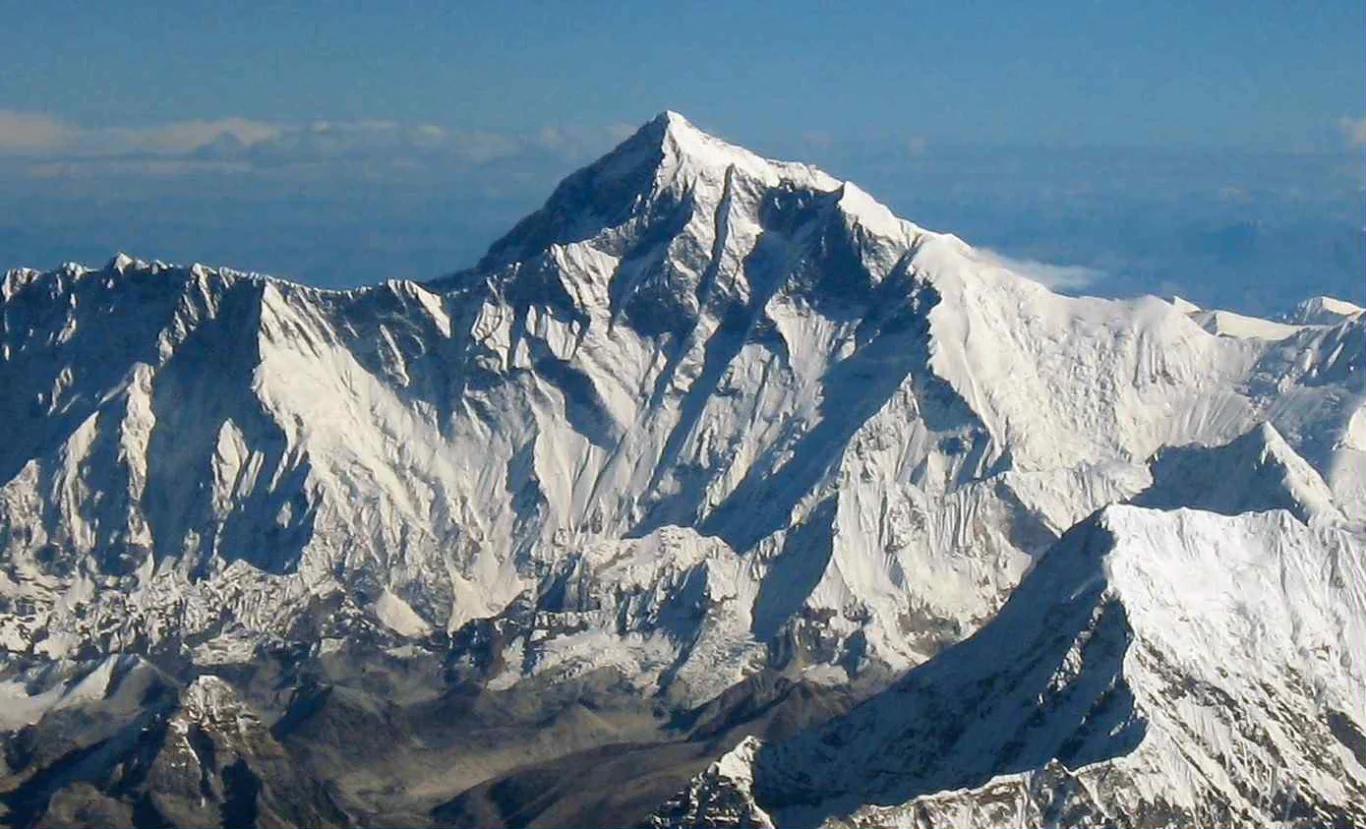
1. Island Peak (Imja Tse) – 6189m
- Region: Everest
- Difficulty: Moderate
- Best Season: Spring (Apr–May) & Autumn (Oct–Nov)
- Why Climb: Close to Everest, stunning views, perfect for first-time climbers with alpine ambition
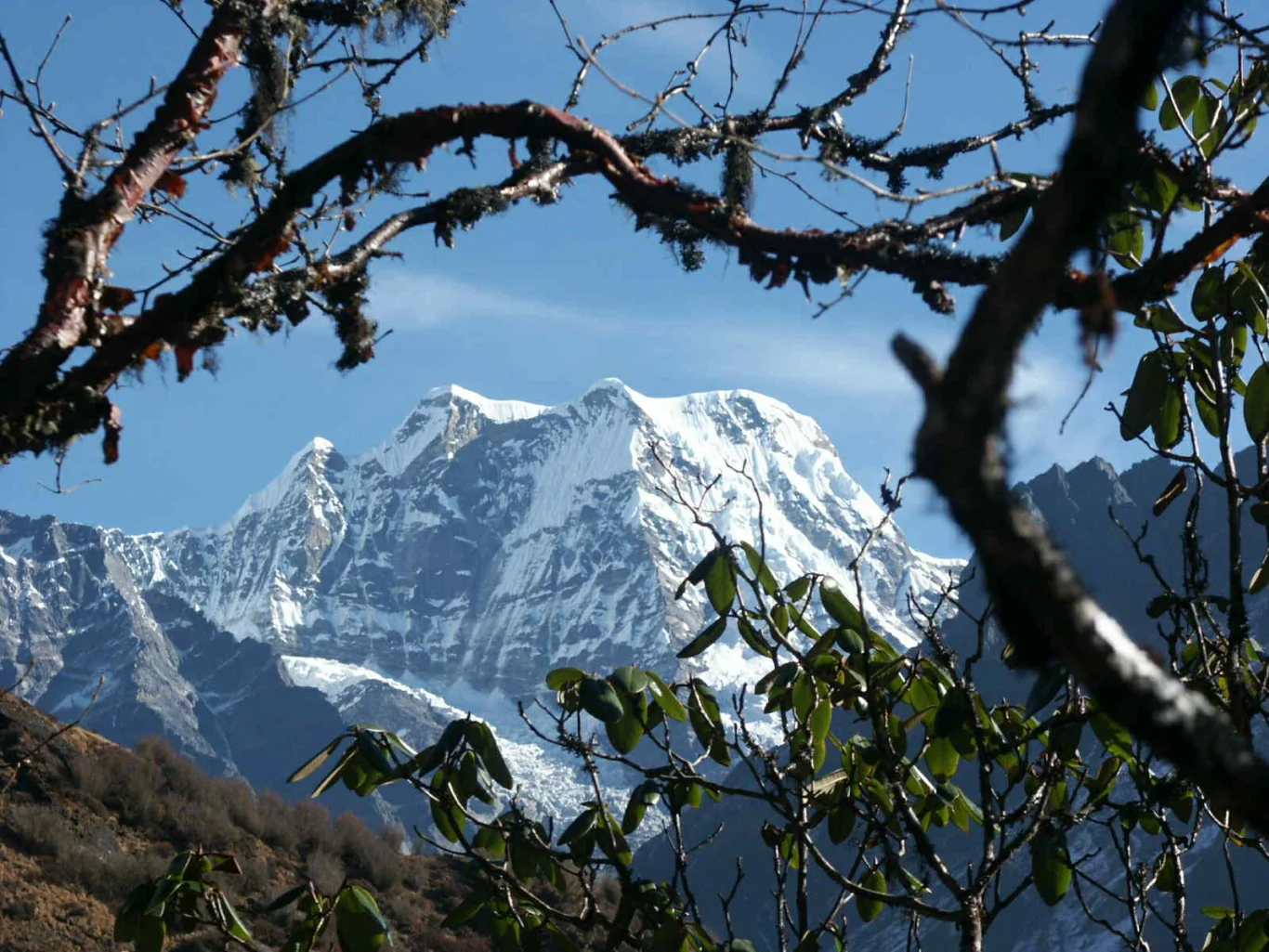
2. Mera Peak – 6476m
- Region: Hinku Valley (Makalu Barun)
- Difficulty: Moderate to Strenuous
- Best Season: Spring & Autumn
- Why Climb: Highest of trekking peaks, panoramic views of five 8,000m mountains
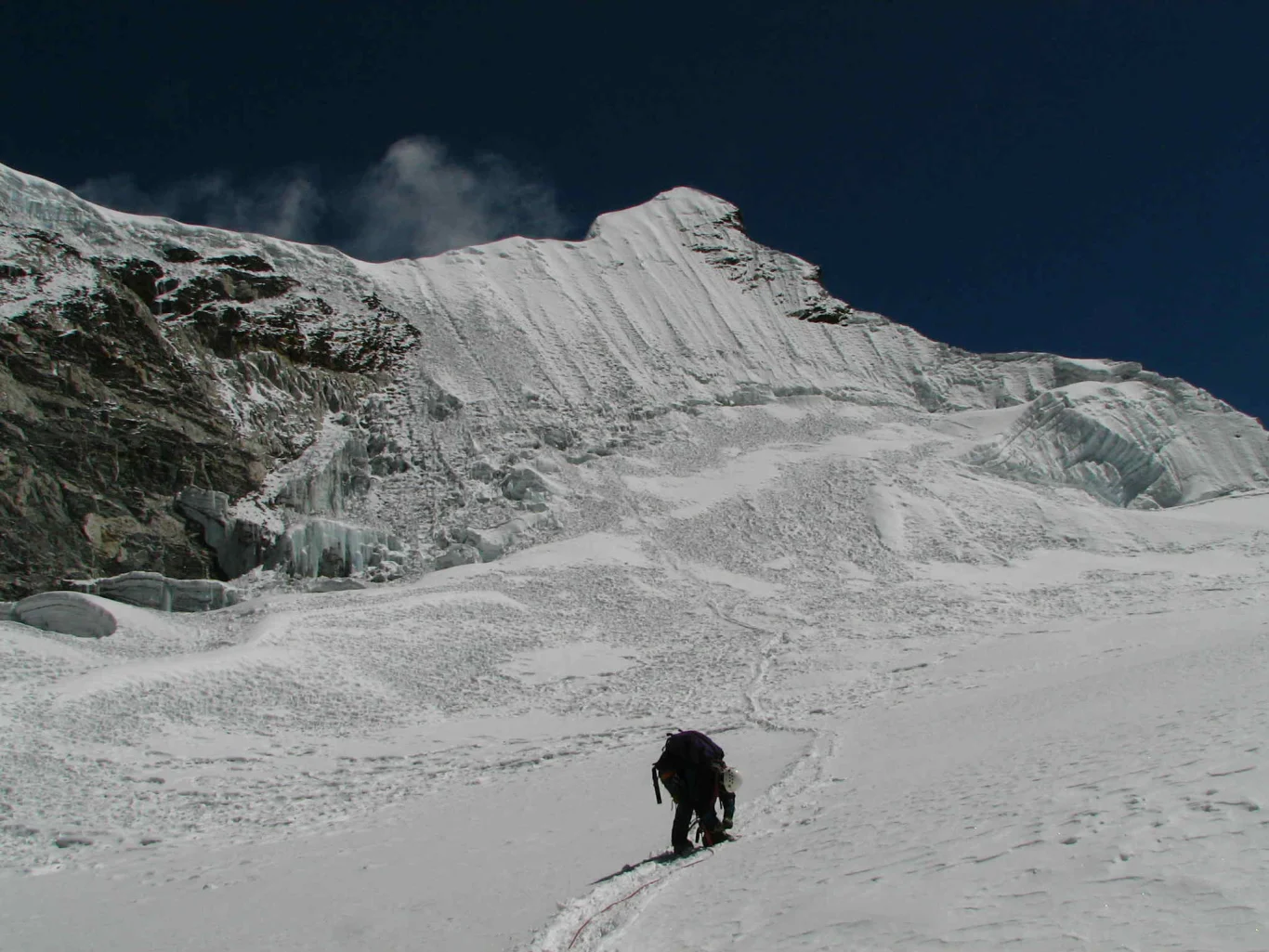
3. Lobuche East – 6119m
- Region: Everest
- Difficulty: Technical
- Best Season: Spring & Autumn
- Why Climb: Technical practice for big expeditions; often combined with EBC trek
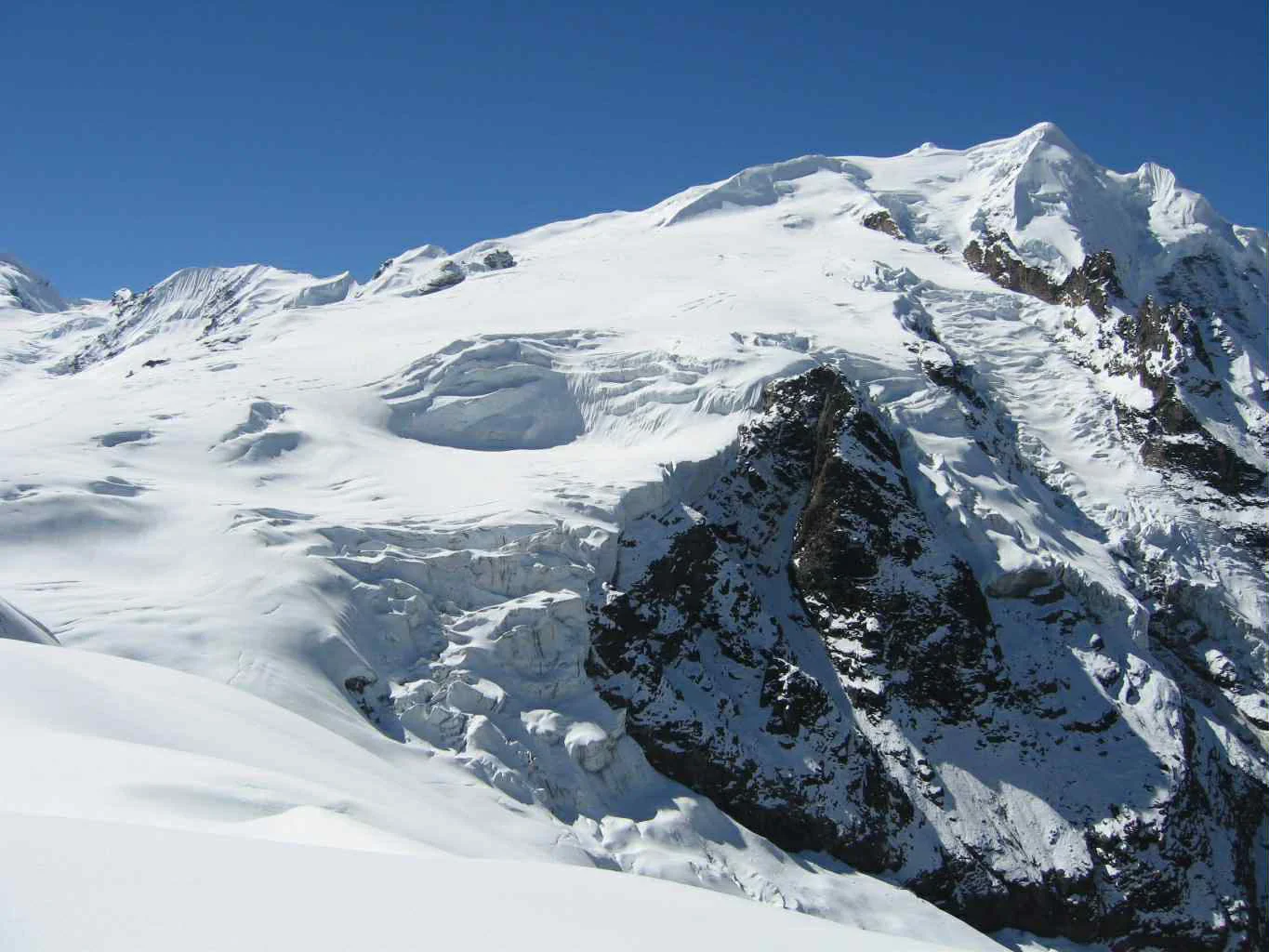
4. Pisang Peak – 6091m
- Region: Annapurna
- Difficulty: Challenging
- Best Season: Spring & Autumn
- Why Climb: Great views of the Annapurna Range; combines well with Annapurna Circuit
5. Yala Peak – 5732m
- Region: Langtang
- Difficulty: Easy to Moderate
- Best Season: Autumn & Spring
- Why Climb: Excellent for beginners, non-technical; ideal acclimatization climb
Permits and Regulations
For NMA Trekking Peaks:
- Climbing Permit from NMA
- TIMS Card (Trekkers Information Management System)
- National Park / Conservation Area Entry Fee
For Expedition Peaks:
- Climbing Permit from Department of Tourism
- Liaison Officer mandatory
- Garbage Deposit Fee
- Insurance for Climber, Guide, and Support Staff
Sample Permit Fees (Island Peak, 2025)
| Season | Fee (USD) |
|---|---|
| Spring | $250 |
| Autumn | $125 |
| Winter/Summer | $70 |
Best Time for Climbing Peaks in Nepal
Spring (March–May)
- Most popular and stable season
- Warm days, longer daylight
- Clear skies and blooming rhododendrons
Autumn (September–November)
- Cool temperatures, clear views
- Ideal post-monsoon weather
- Less snow than spring in higher regions
Winter (December–February) & Monsoon (June–August)
- Harsh cold and heavy snow in winter
- Monsoon brings rain, landslides, and low visibility
- Suitable only for select low-altitude peaks
Training and Preparation
Physical Preparation
- Cardiovascular endurance (hiking, running, cycling)
- Strength training (legs, core, shoulders)
- Altitude training if possible (use stair machines, masks, or high-altitude gyms)
Technical Skills (for most peaks)
- Ice axe and crampon use
- Rappelling and abseiling
- Rope work and basic glacier travel
- Training courses available in Kathmandu or at mountain base camps
Essential Climbing Gear
Climbing Equipment
- Crampons
- Harness
- Ice axe
- Helmet
- Carabiners, ropes, ascenders, belay device
Personal Gear
- Down jacket and pants
- Insulated gloves and mittens
- High-altitude boots
- Sleeping bag (-20°C to -30°C)
- Sunglasses and headlamp
Guides and Support Staff
Is a guide mandatory?
- Yes, for all NMA and expedition peaks.
- Hiring a licensed climbing guide is mandatory for safety, navigation, and regulation compliance.
Team Composition (Typical)
- Climber
- Climbing Guide
- Porter(s)
- Cook (on longer expeditions)
- Base Camp Manager (for high expeditions)
Safety and Altitude Sickness
Common Issues
- AMS (Acute Mountain Sickness)
- HAPE (Pulmonary Edema)
- HACE (Cerebral Edema)
Preventive Measures
- Gradual ascent, proper acclimatization
- Stay hydrated and eat well
- Carry Diamox or oxygen bottles
- Emergency evacuation (by helicopter) should be insured
How to Choose the Right Peak?
Ask Yourself
- Are you a beginner or experienced climber?
- Are you looking for technical challenge or introductory alpine experience?
- How many days do you have?
- What’s your acclimatization history?
Recommendations
- Beginner: Yala Peak, Island Peak, Mera Peak
- Intermediate: Lobuche East, Pisang Peak, Chulu East
- Advanced: Ama Dablam, Himlung, Baruntse
Logistics and Itinerary Planning
Sample Itinerary – Island Peak (17 Days)
- Fly to Lukla
- Trek through Namche, Tengboche, Dingboche
- Acclimatization day
- Reach Island Peak Base Camp
- Summit attempt
- Return to Lukla & fly back
Ready to Climb in Nepal?
Nepal’s climbing peaks offer a chance to push your limits, connect with nature, and embrace the true spirit of adventure. From snow-capped summits to serene base camps, this country is a mountaineering paradise. With proper preparation, a reliable team, and the right mindset, your Himalayan climbing dream can become a life-changing journey.
So pack your gear, train your body, and get ready to conquer the mountains—Nepal is waiting!
CONTACT US for detailed information, itineraries, and permit assistance.


